What Does it Cost to Install a Heat Pump?
More Pennsylvania homeowners are choosing efficient, all-in-one comfort systems for year-round heating and cooling. The overall popularity of heat pumps continues to grow rapidly across our region. If you plan to make the switch soon, budgeting is likely your top initial priority. Estimating your heat pump installation cost helps you prepare effectively for this valuable, long-term home upgrade.
There is no single, fixed price for a new residential heat pump system. Final pricing depends on your specific equipment selection, home layout, and other factors. It represents a substantial investment in long-term indoor comfort, and several variables shape the project size. This guide explains what influences overall pricing so you can make an informed choice for your home.
Understanding the General Cost Range
An exact quote requires an in-home evaluation, but local projects typically range from several thousand to over ten thousand dollars. This broad range covers basic systems in smaller spaces and advanced setups for larger properties.
This wide pricing range reflects the customized nature of residential HVAC work. Heat pumps are not simple plug-in appliances that fit every home the same way. Each setup requires custom design and proper airflow matching. A qualified technician will provide an accurate quote based on your home’s unique layout and architectural needs.
Key Factors That Influence the Final Price
The total on your installation quote reflects equipment options and home-specific layout needs. Reviewing these key factors shows where your hard-earned investment goes during a replacement project.
Heat Pump Size and Capacity
Heating capacity, measured in British Thermal Units (BTUs), must match your square footage and layout. Insulation levels and window efficiency also determine the required unit size. An undersized unit runs constantly, while an oversized unit short-cycles and wastes electrical power. Larger-capacity equipment naturally costs more.
Efficiency Ratings (SEER2 and HSPF2)
System efficiency is measured using SEER2 for cooling performance and HSPF2 for heating performance. While standard cold-climate units must meet 15.2 SEER2 and 8.1 HSPF2 benchmarks, top-performing equipment pushes efficiency even further, surpassing 20 SEER2 and reaching 10 to 12.5 HSPF2. High-efficiency units require a larger initial investment during installation. However, they often yield substantial energy savings over the system lifespan, helping lower your ongoing monthly utility bills.
The Importance of a Cold-Climate Model in PA
Pennsylvania winters bring freezing weather that challenges standard heat pumps. We strongly recommend investing in a modern cold-climate heat pump. These systems utilize advanced inverter compressors to deliver dependable warmth even in sub-freezing temperatures. While cold-climate technology costs more upfront, reliable winter performance makes it an essential choice for local households.
Existing Ductwork and Modifications
If your home already has central ductwork, installation is usually more straightforward. However, existing air ducts must be clean, sealed, and properly sized to handle airflow. Leaky or undersized ductwork requires modifications, adding to the installation cost. For homes without ducts, ductless mini-split systems offer an excellent, flexible alternative.
Labor and Installation Complexity
Project labor reflects physical site challenges and specific electrical requirements. Complex outdoor equipment placement or difficult indoor access increases total labor time. Homes needing electrical panel upgrades to support new heating equipment will also see higher overall project costs.
Available Rebates and Incentives
Upgrading to a high-efficiency system often qualifies you for valuable financial incentives. Homeowners can lower out-of-pocket expenses through federal energy tax credits, state programs, and local utility rebates. These incentives encourage sustainable, energy-saving upgrades. Our team helps identify qualifying rebates to reduce your total project expense.
Why Professional Installation Is Non-Negotiable
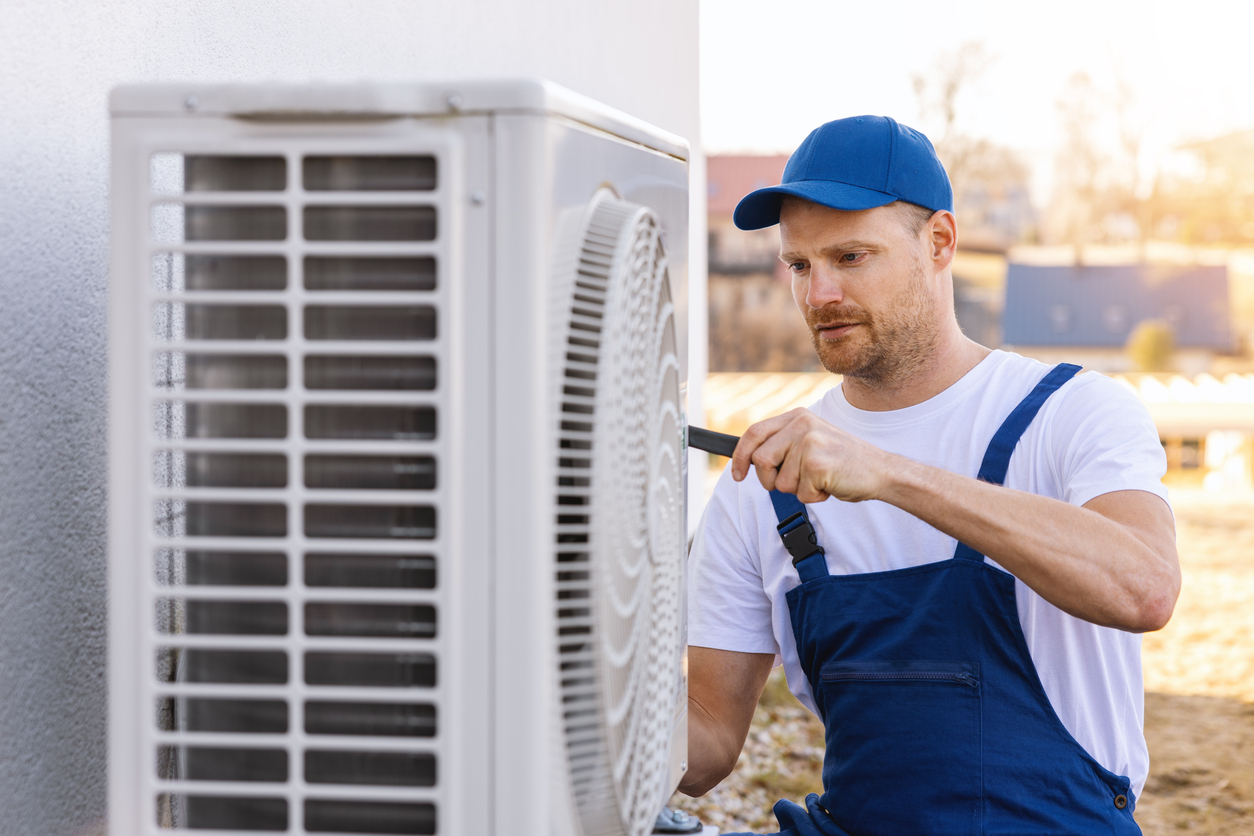
Securing an accurate estimate is only the first step. Proper equipment installation determines long-term performance and efficiency over decades of use. A heat pump installation completed by skilled technicians ensures refrigerant lines, electrical connections, and airflow controls meet manufacturer specifications. Proper setup prevents premature equipment failure and preserves warranty coverage.
At BVSM Heating & Air Conditioning, our technicians understand the unique heating challenges of Pennsylvania winters. We assess your home, recommend properly sized equipment, and ensure installation meets standards. Our team delivers dependable comfort solutions built to serve your household for years to come.
Ready to find out the specific heat pump installation cost for your home? Contact BVSM Heating & Air Conditioning today to schedule your heat pump installation consultation in Monaca, PA, and the surrounding area.