
How To Choose the Best Heater for Your Home

Pennsylvania winters are long and harsh. BVSM Heating & Air Conditioning understands that the right heater is the key to keeping you and your family cozy and comfortable. Maybe you’re asking yourself, “What is the most efficient way to heat my home?” or “What’s the best heating system for my house?”

These decisions can be overwhelming, but BVSM is here to help. Below, we outline what to consider when looking for a new heater and how to make the right choice for your home.

schedule now

Features That Make a Heating System Efficient

The heat source of a home’s heating system is a major contributor to its energy efficiency. The main heating sources most modern-day heaters will have are:

  • Heat pump
  • Furnace
  • Boiler

When looking for the most efficient heating system, you’ll also want to look at a unit’s AFUE (annual fuel utilization energy) rating to see how much fuel it uses. A 90% rating means it puts all but 10% of its energy to good use.

You’ll also want to consider the SEER (Seasonal Energy Efficiency Ratio) rating, which will tell you how efficient the unit’s energy use is. The higher the rating, the less impact it’s likely to have on your monthly bill.

Types of Heating Systems

Above, we mentioned the different options, but let’s look into those in a bit more depth. You can choose:

  • Furnace: Furnaces use gas, oil, or electricity. Depending on your region, these can each have their benefits. Gas heaters use a plentiful resource, but it may be difficult to get deliveries in harsher months if you’re in a remote area. Oil heaters burn a fuel that’s usually sourced locally, so you’ll likely be supporting those in your community. Electric furnaces use electricity to heat the coils and warm your home. These produce little to no exhaust or carbon monoxide.
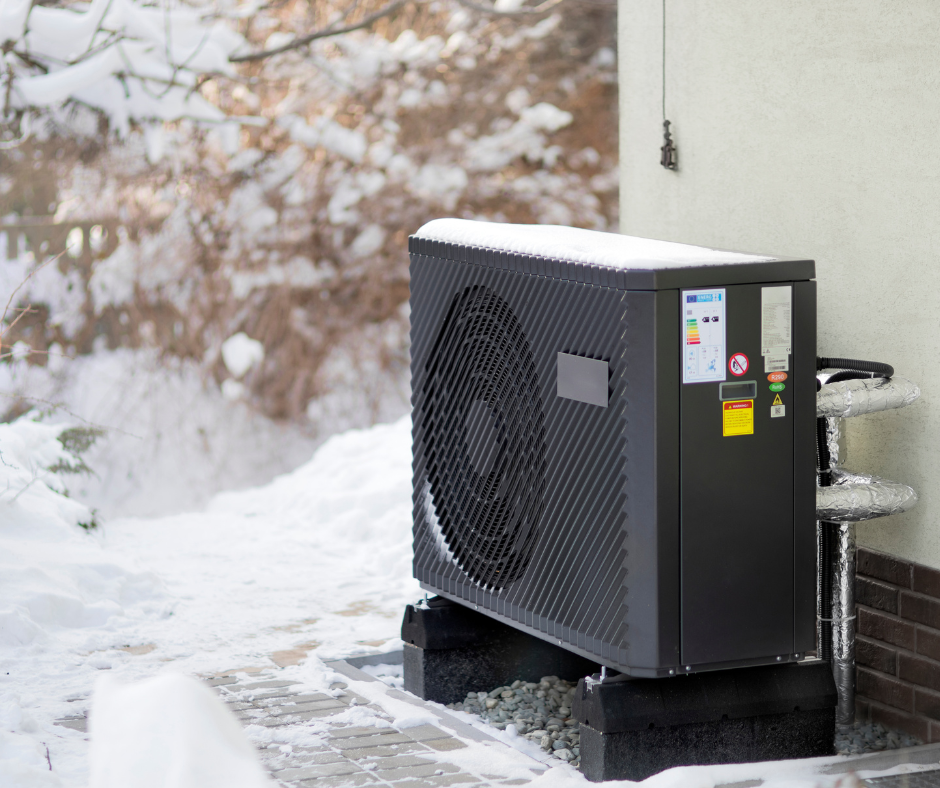
  • Heat Pump: Air-source heat pumps pull the heat from the air by forcing coolant to change from a liquid to a gas and back again. During this exchange between an outdoor and indoor unit, heat is pulled from the air and expelled into the home when it becomes a liquid again. This also means the system can struggle to keep up in the colder months. Geothermal heat pumps pull their heat directly from the ground or water by having a series of pipes, called the loop, buried several feet underground. With the underground temperature generally staying between 45 to 60 degrees, you’ll have more reliable year-round heat sourcing, which generally pays for the initial cost of installation.
  • Boiler: Though less common, boilers use a reliable source of heat which is to circulate boiled water through the pipes of your home. The radian heat release warms the space. Boilers are rated by the AFUE with high-efficiency models rated 90% or higher.  

3 Factors for Choosing a New Heating System

  • Size of your home: The size of the space you’re trying to heat will impact the size of the unit you’ll need.
  • Location of your home: Since Pennsylvania has a harsh climate in the winter months, you’ll want to look for models rated for the area.
  • Age of your home: Depending on when your home was constructed, you may have additional factors such as older insulation or seals, which will make a higher energy efficiency rating even more crucial.

Rely on BVSM for Heating System Installation

With over 65 years of experience, a 100% satisfaction guarantee, and NATE-certified technicians, BVSM Heating and Air Conditioning is the name you can rely on in Pennsylvania. We are also proud members of the Beaver County Alliance for Consumer Protection.

For professional, reliable service, schedule heating system installation with BVSM today.
How Long Does a Water Heater Last?

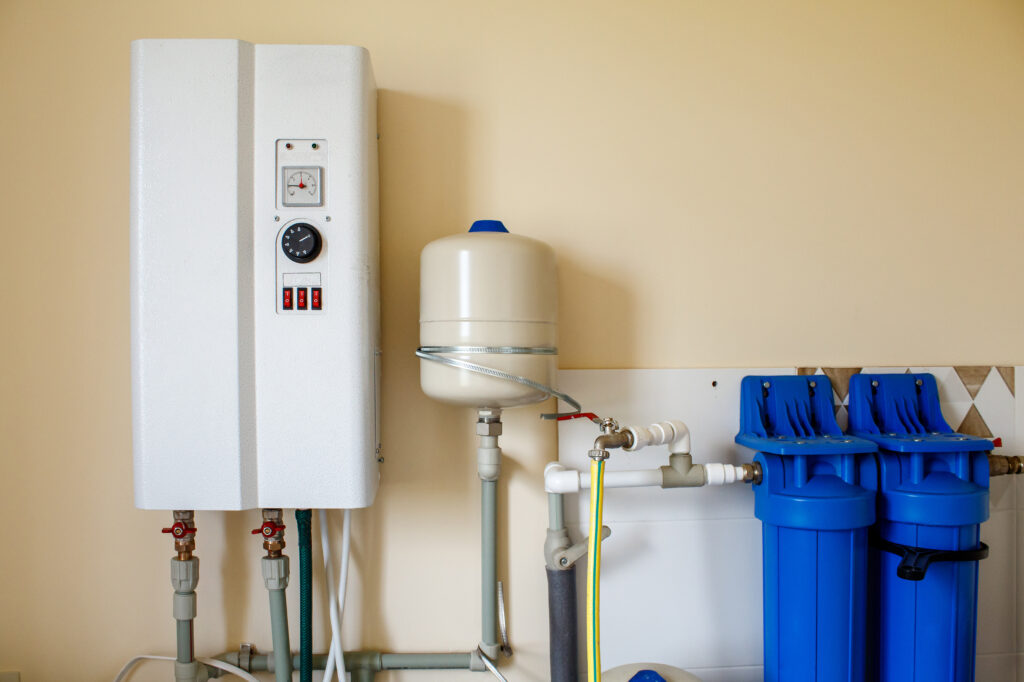
Tankless water heater

Water heaters are often overlooked until they malfunction. While they can last 10 to 15 years, like other complex equipment, routine service is necessary to keep them functioning properly.

If your water heater is failing, consider its age and condition. Tank water heaters typically need replacing after eight to 10 years, while tankless models should be replaced by the time they’re around 15 to 18 years old. If your water heater is reaching the end of the average lifespan, you may want to consider a replacement before you notice signs of failure, which can include:

  • Low or inconsistent water temperature
  • Little or no hot water
  • Banging or rumbling noises
  • Rust-colored water
  • Strange odors
  • Leaking tank

Can Maintenance Prolong the Lifespan of a Water Heater?

Yes, regular service can extend your hot water tank’s lifespan. Not draining the tank fully can also help. If you have a large family, consider installing a bigger tank. That way, you’ll have plenty of hot water for showers, laundry, and cleaning — without shortening your water heater’s lifespan.

Another tip is to perform a routine water test. Hard water causes limescale buildup, while soft water increases corrosion. If the water is hard, softening it can extend the service life of your water heater by two years.

Other water heater maintenance tips include:

Every three months

  • Flush 25% of the water in the tank to reduce sediment.

Every six months

  • Check the temperature with a thermometer to ensure your hot water matches the water heater setting. Call a pro if the numbers do not match.
  • Check the pressure relief valve by turning off the cold water to the heater and power. Put a bucket beneath the pipe that connects to the valve. Raise and then lower the tab to let a little water out. If it keeps running, a professional can replace it. 

Every year

  • Drain the tank to remove sediment. Turn off the water heater’s power and let the water drain from the tank. Run cold water briefly in it to remove sediment. Drain that, close the drainage valve, and refill it.
  • Wrap the tank in an insulating blanket to avoid heat loss, especially in unheated basements, crawl spaces, and garages.
  • Schedule routine water heater maintenance to catch small issues early.

Every three to four years

  • Check and replace the anode rod, especially for homes with hard water. Unscrew the rod from the tank top and if it has lumpy chalk, call a technician or the manufacturer if it’s under warranty.
schedule now

Is There a Difference in Lifespan Between Tank and Tankless Water Heaters?

Yes, traditional water heaters can last around eight to 12 years, while tankless water heaters can last over 20 years, depending on the water quality, usage, and maintenance. A few other differences include:

Traditional Water Heaters

A traditional water heater has an anode rod in the tank that attracts corrosive particles through electrolysis. Once corroded, the rod can malfunction, particles can settle in the tank and destroy the lining, and the water heater will need upgrading.

  • Pros: Hot water is conveniently stored and always ready.
  • Cons: Tanks are bulky, take up space, and can rust.

Tankless Water Heaters

Tankless water heaters efficiently provide “on-demand” hot water and only heat water when needed. Despite not having anode rods, they can sometimes rust and need replacing.

  • Pros: These space-saving units can lower energy costs.
  • Cons: Hot water is not instantly available.

Choose BVSM for Comprehensive Water Heater Services

Founded in 1956, BVSM Heating & Air Conditioning provides comprehensive HVAC services. Backed by a 100% satisfaction guarantee, we are members of the Beaver County Alliance for Consumer Protection, and our NATE-certified technicians receive regular training on all types of water heaters.

If your water heater needs service or replacement, you can count on us. With flexible financing, special offers, and extended warranties, our experts will look for ways to increase your savings.

Ready to enjoy uninterrupted hot water? Contact BVSM today to schedule water heater services.

Signs Your Air Conditioner Needs Replacement (& How To Choose a New System)

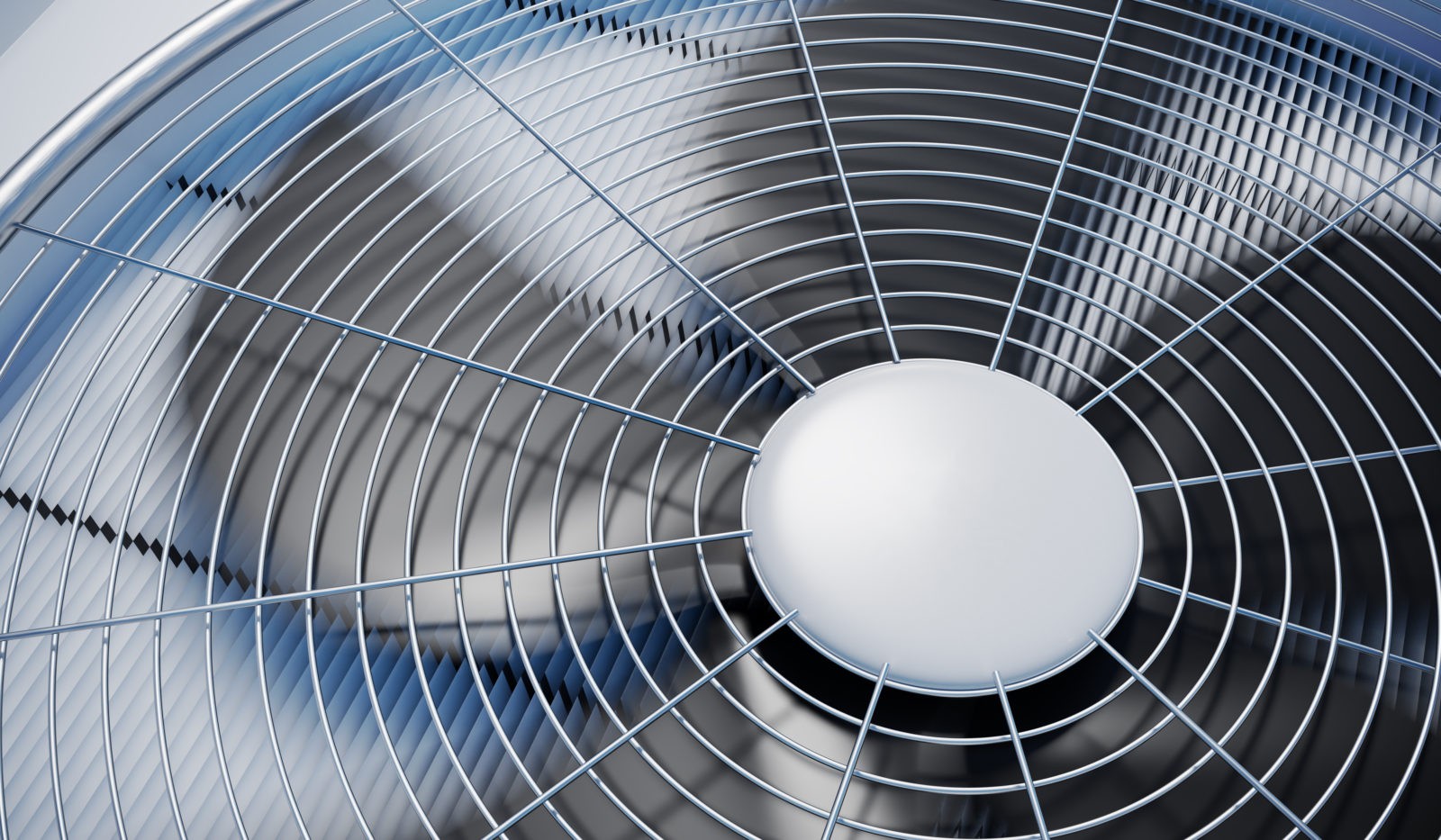
Close up view of an HVAC unit

Ah, the sweet hum of a functioning air conditioner on a scorching day — what a relief! But what happens when your AC starts acting up? Your AC shouldn’t feel like it’s running a marathon to keep your home comfortable. If your system is huffing and puffing, it might be time to give it a well-deserved retirement. Let’s explore the telltale signs that it’s time to say goodbye to your old air conditioner and welcome a shiny new system into your life.

Signs Your AC Needs Replacement

Keep an eye out for the below signs that your AC is trying to tell you. It might be time for a replacement with BVSM Heating & Air Conditioning.

  • Inconsistent Cooling: If some rooms feel like the Arctic while others mimic the Sahara, your AC might be struggling to distribute cool air evenly. Time for an upgrade!
  • Strange Noises: From clanks to squeals, if your AC sounds like a haunted house, it’s best to swap it out before it becomes a ghost itself.
  • Sky-High Energy Bills: Your AC shouldn’t break the bank to keep you comfy. If your bills are higher than the summer temperatures, a new, energy-efficient system could save you in the long run.
  • Age of Your System: Remember to consider the years your current AC system has faithfully served you. Most air conditioners last around 10 to 15 years, so if yours is approaching or surpassing this range, it might be time to start thinking about a replacement to avoid potential breakdowns and inefficiencies.

Tips for Choosing a New Air Conditioner

Feeling chilly from the overwhelming AC options? Let the specialists at BVSM warm you up with our expert guidance and these helpful tips on choosing a new HVAC system:

SEER Rating: Choose a system with a high SEER (Seasonal Energy Efficiency Ratio) rating. A higher SEER rating indicates greater energy efficiency, potentially saving you money on your utility bills.

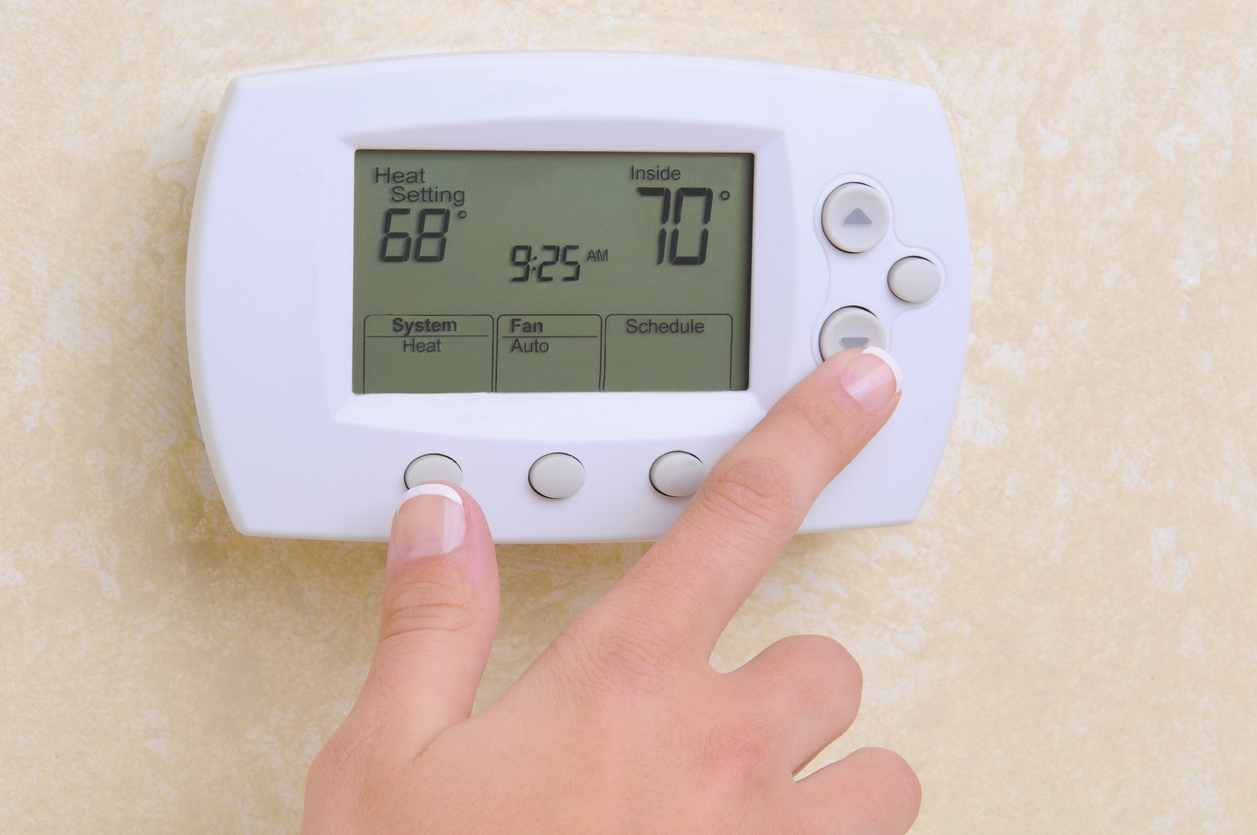
Programmable Thermostats: Opt for a programmable thermostat. These innovative features allow you to customize your cooling schedule throughout the day for optimal comfort and energy savings.

Size Matters: It’s important to determine the right size AC unit for your home. Our specialists will select a system that fits perfectly, delivering efficient cooling without wasted energy.

Cost Considerations: Understanding the importance of balancing upfront costs with long-term savings is critical. Finding a cost-effective solution that not only fits your budget but also maximizes energy efficiency for years to come is the goal.

Choose BVSM for AC Installation & Replacement

As you prepare to say farewell to your old AC and welcome a new era of cool comfort, why not trust the experts at BVSM Heating & Air Conditioning? With over 65 years of experience, a 100% satisfaction guarantee, NATE-certified technicians, and a commitment to consumer protection, BVSM is your go-to partner for seamless AC installation and replacement. Replacing your system with a trusted company promises not only cool comfort but the security of a job done right!

Ready to chill with the best in the business? Give us a call to beat the heat and schedule your cool upgrade today with BVSM!

Is Your AC Running Efficiently? How Regular Maintenance Can Lead to Savings

girl sitting in front of electric fan

As summer temperatures rise, your air conditioner needs to keep up. Keeping it running efficiently is the key to maintaining high comfort levels and low energy costs. Regular AC maintenance isn’t just about preventing breakdowns — it’s about optimizing performance, reducing utility bills, and maximizing your system’s lifespan. In this blog, we’ll explore some common AC challenges and provide helpful, actionable tips to keep your cooling system in top shape.

Most Common Summer AC Problems

The summer heat skyrockets, putting additional strain on your air conditioner. Let’s break down some of the common culprits that could be reducing your comfort:

  • Poor cooling performance: If your AC’s running full blast and the air barely feels different from outside, that could signal several problems, from low refrigerant to a failing compressor.
  • Refrigerant leaks: Leaks can drain your system’s cooling power and damage the surrounding area by pooling.
  • Clogged filters: A dirty filter forces your AC to work overtime, significantly reducing proper airflow and efficiency.
  • Thermostat issues: If your thermostat isn’t on the same page, you’ll likely feel the blow.
  • Electrical problems: Strange noises, short-cycling, or a dead system usually point to electrical issues. These can be anything from loose connections to failing components.

Leaving these problems unchecked will not only leave you sweating but also skyrocket your energy bills while your AC struggles to keep up. Regular maintenance is key to ensuring your AC flows smoothly all summer.

Trusted Maintenance Tips

Regular AC maintenance is crucial for optimal performance and longevity. Here are some simple steps you can take to help avoid costly repairs and ensure efficient cooling when the heat is beating down:

Tip 1: Clean or Replace Air Filters

Dirty filters restrict airflow, reducing efficiency and potentially damaging your system. Make filter checks a part of your routine by attending to them monthly and replacing or cleaning them every one to three months. You may want to do it more frequently if you have pets or live in a dusty area.

Tip 2: Check Thermostat Settings

For higher energy savings, set your thermostat to about 78 degrees when you’re home; the less difference between the indoor and outdoor temperatures, the lower your utility bill will be. With programmable thermostats, you can automatically adjust temperatures and potentially save even more on cooling costs.

Tip 3: Inspect and Clean Coils

Dirty coils disrupt heat transfer and force your AC to work harder. Gently clean the outdoor coils with a soft brush and coil cleaner; follow all manufacturer instructions. For indoor coils, we recommend consulting a trained professional.

Tip 4: Clear the Area Around the Outdoor Unit

You want about a 2-foot clearance around your outdoor AC unit. To the best of your ability, regularly remove leaves, grass trimmings, and infiltrating vegetation. This prevents airflow obstruction and maintains system efficiency.

Tip 5: Schedule Professional Maintenance

Annual professional tune-ups can identify potential issues before they become major problems. This will help extend your AC’s lifespan and maintain its energy efficiency and peak functionality while saving money on utilities.

Choose BVSM Heating & Air Conditioning

Regular AC maintenance is a must for summer comfort and efficiency. It prevents common problems, significantly reduces energy bills, and extends your system’s lifespan. By addressing issues promptly, you avoid costly repairs and ensure reliable cooling when you need it most. Stay proactive with these simple maintenance tips to keep your AC running smoothly during peak warm seasons.

If you need quality AC services, BVSM Heating & Air Conditioning has you covered with expert AC maintenance and more. Our NATE-certified technicians have the skill and expertise to ensure optimal comfort levels in your Pennsylvania home.

Schedule AC services with one of our experts now.

Why Does My Heat Pump Run Constantly?

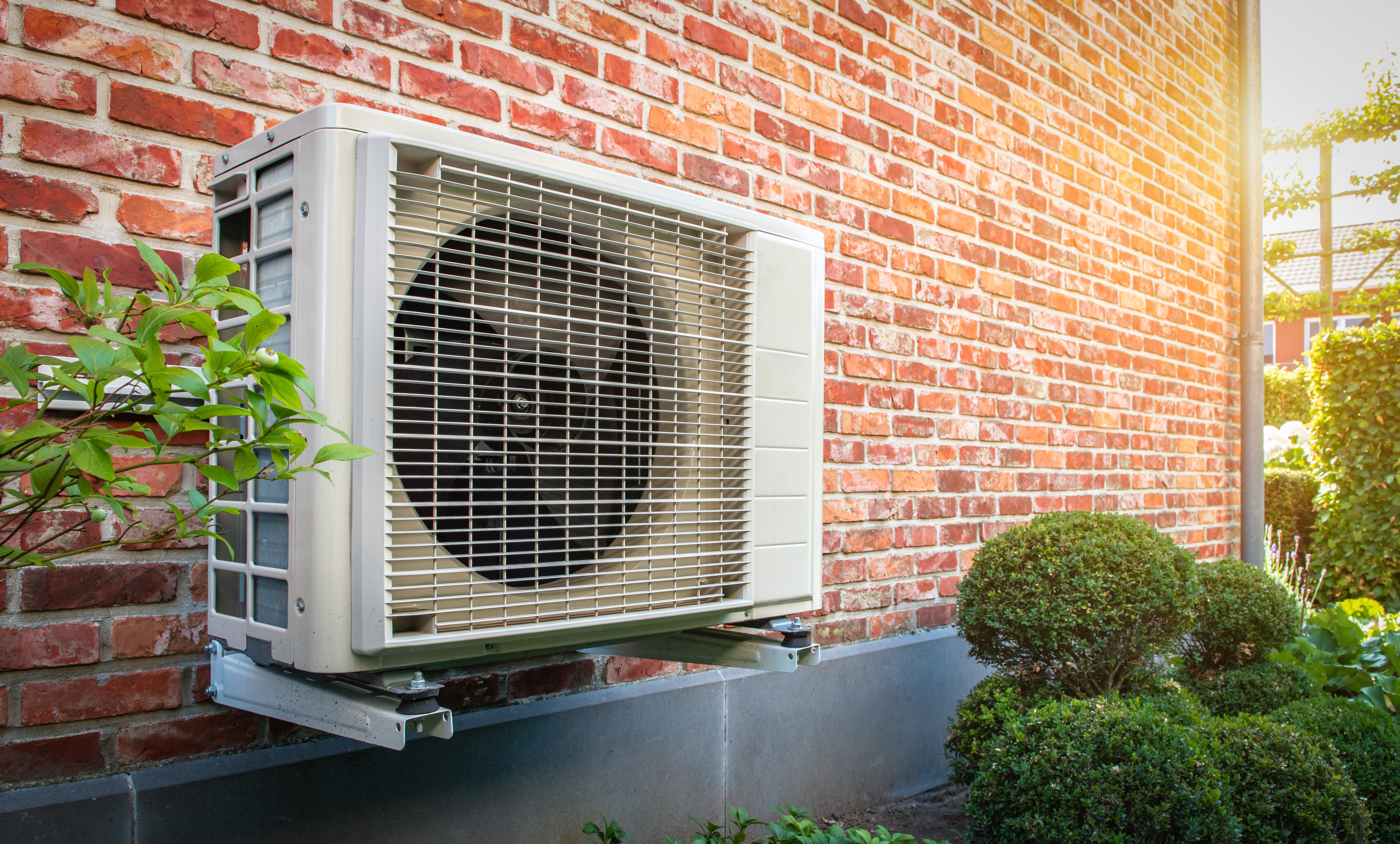
Side view of outdoor energy unit hanging on brick wall of house on a sunny day.

Heat pumps are usually an effective way to heat and cool your home. But if your system is running constantly, it’s likely a sign that your heat pump has an issue. Not only can this lead to higher energy bills, but it can make your system wear out faster, leading to expensive repairs or premature replacement of your entire heat pump. 

You should tackle your heat pump issues right away to keep your home comfortable, your utility costs low, and your system’s lifespan maximized. 

6 Common Reasons Your Heat Pump Is Constantly Running

Continuously running heat pumps are likely experiencing an issue. It can be something simple to remedy, like thermostat issues, but it can also mean more complex mechanical problems. It’s important to understand why this is happening quickly to prevent high energy bills and avoid major damage to your system.

Here are some potential culprits: 

1. Incorrect Thermostat Setting

Sometimes, the issue is as simple as your thermostat settings being off. If your thermostat is set too high or too low, your heat pump will keep running to reach that temperature. Double-check that your thermostat is set correctly for the season and your comfort level. 

2. Cool Air Escaping Through Open Doors or Windows

If cool air is escaping through open doors or windows, your heat pump will have to work harder to keep things comfortable. Make sure all doors and windows are closed properly and check for drafts. Adding weather stripping or caulking can help seal any leaks and keep your heat pump working only as hard as it should. 

3. Dirty Air Filter

closeup of dirty air filter

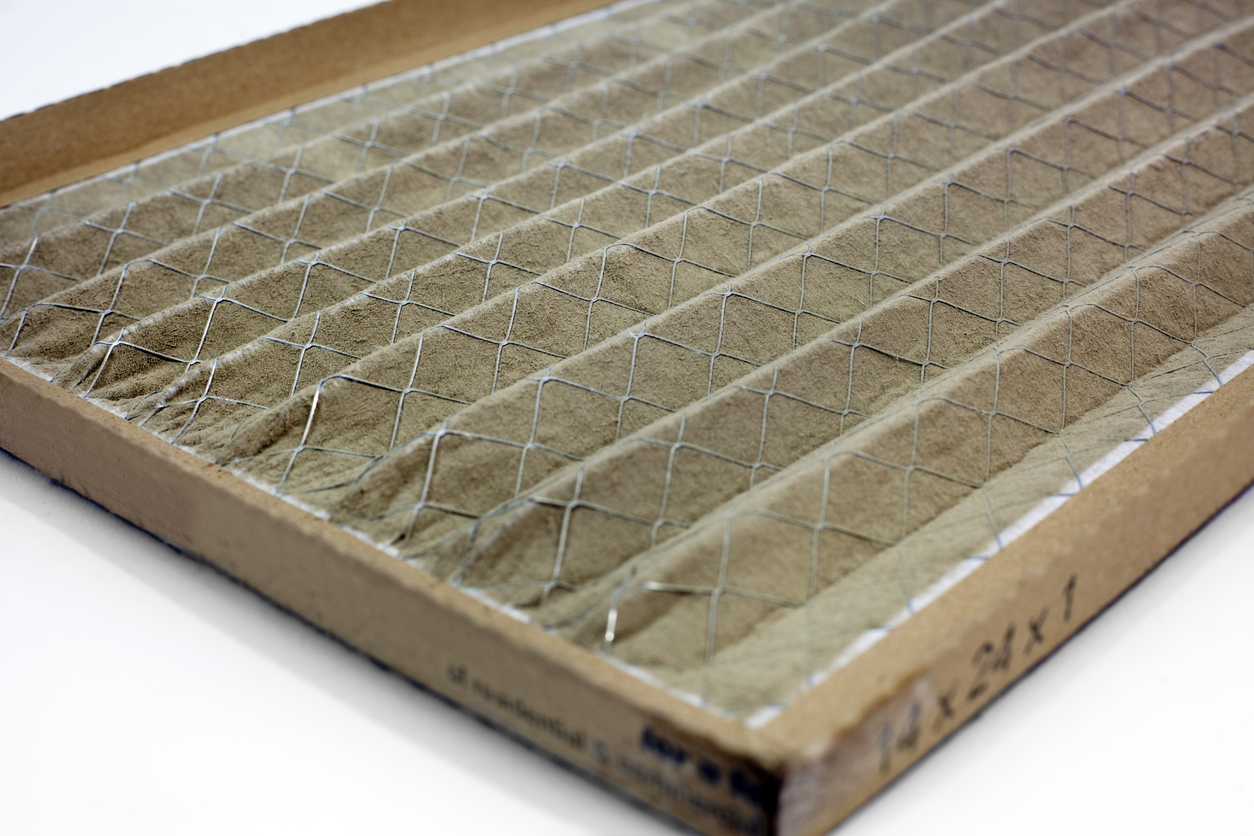
A dirty or clogged air filter can make it tough for your heat pump to circulate air, causing it to run nonstop. It also means it’s likely circulating allergens and other pollutants that a clean air filter would normally trap. Regularly checking and replacing your air filter is a simple way to keep your system running smoothly. The typical recommendation is to change filters every one to three months, depending on use and the manufacturer’s advice.

4. Issues With Your Condensate Pump

The condensate pump plays an important role in your heat pump’s performance. It gets rid of the moisture your heat pump collects. Look out for water leaks around the indoor unit or weird noises from the pump. If you think the condensate pump could be causing your heat pump to run continuously, it’s time to call a pro for a checkup.

5. Frozen Outdoor Unit

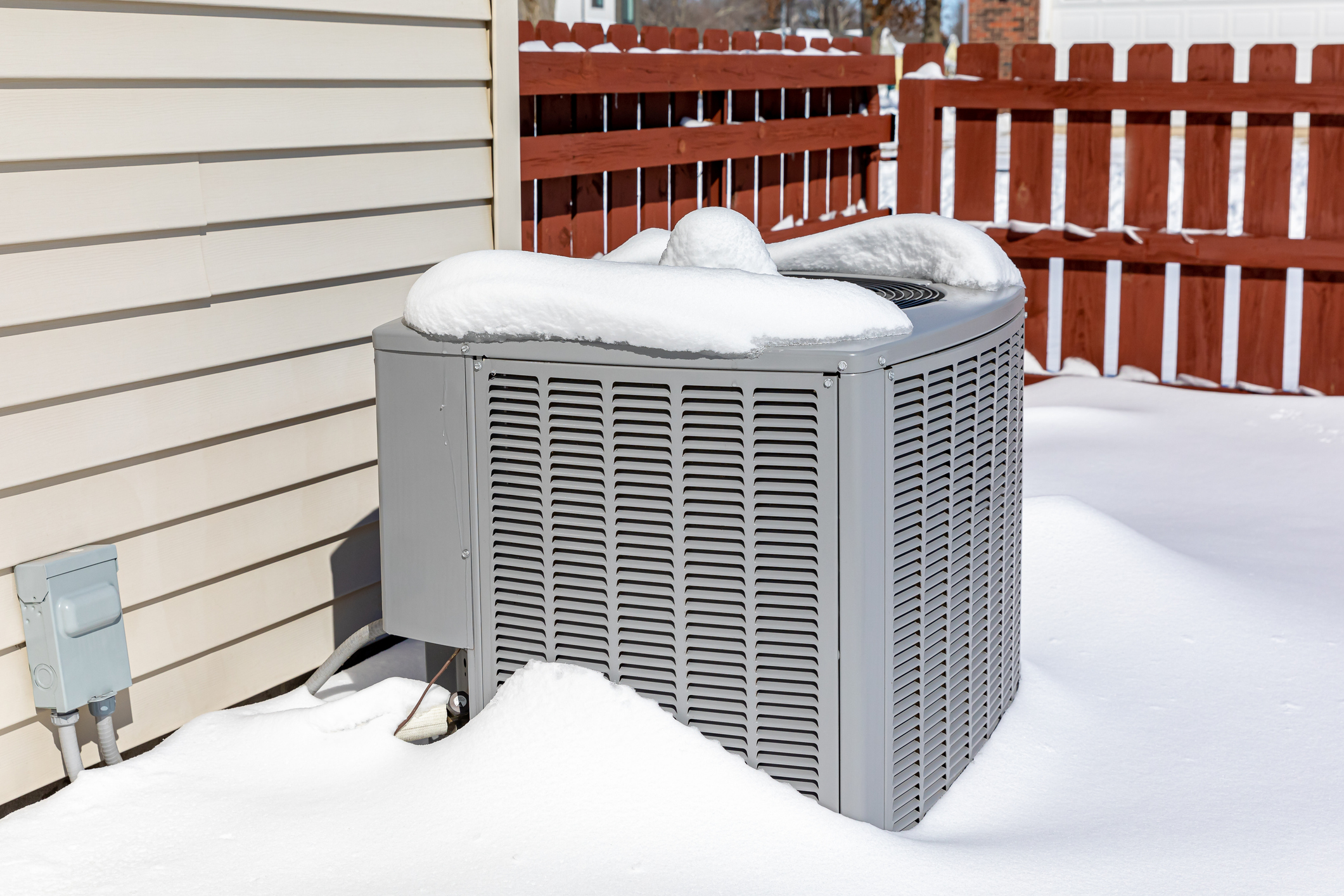
A frozen outdoor unit can’t operate as it should and can cause your system to run nonstop. If you spot ice on your outdoor unit, turn off the system and get a professional to take a look before attempting any repairs.

6. Evaporator Coils Are Dirty

Dirty evaporator coils can slow the heat exchange process, making your heat pump work harder and run constantly. These coils absorb heat from the air inside your home, but when they’re dirty, they can’t do their job. Regular maintenance, including cleaning the coils, can help keep your heat pump running smoothly all year. 

schedule now

Choose BVSM Heating & Air Conditioning for Trusted Heat Pump Service

At BVSM Heating & Air Conditioning, we understand how annoying it is to have a heat pump that won’t stop running. Our skilled technicians are ready to provide reliable and efficient fixes for any heat pump issues. We also offer routine maintenance services to keep your system running efficiently for longer and reduce the chances of issues. 

If you do encounter heat pump issues, we’ve got you covered there, too. Our team of NATE-certified technicians provides expert heat pump repair services and a 100% satisfaction guarantee, so you can rest assured that your heating and cooling needs are in reliable hands. 

Trust your heat pump services to experts with over 65 years of experience in Beaver Valley. Schedule your routine maintenance, repair, or installation services today! 

The Top 6 Signs Your Water Heater Is Failing

Even the best water heater will eventually falter and fail, and most do so within eight to 12 years after installation. It’s within this range that you’ll begin to notice decreased efficiency and reliability, and an increase in the cost and frequency of repairs. When your water heater begins to fail, it’s advisable to consider replacement options and perform the replacement before a critical failure occurs. At BVSM Heating & Air, we can help you assess the condition of your water heater and help you determine whether further repairs or water heater replacement are your best course of action.

A plumber fixes a water heater

Signs It’s Time To Call a Professional Plumber To Repair or Replace Your Water Heater

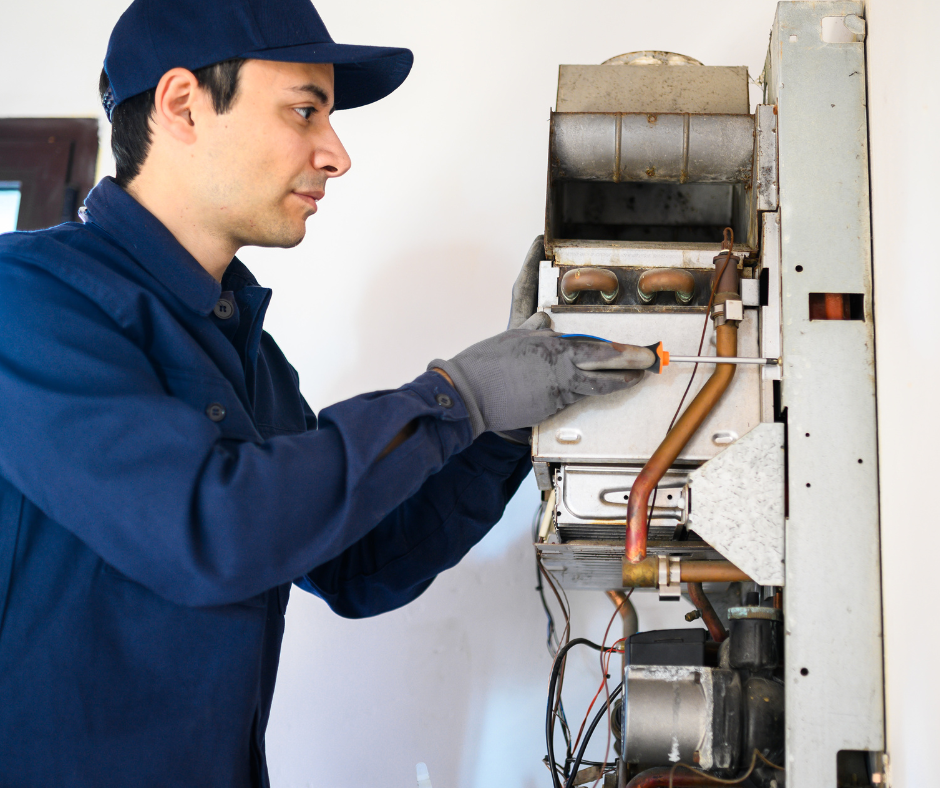
Whether you have a gas water heater, electric water heater, or tankless water heater, you’ll notice signs that the appliance isn’t working the way it should. When you detect any of the following, we recommend hiring a trained professional to inspect your system and perform any maintenance, adjustments, and repairs.

#1: Your water isn’t getting as hot as usual or the heat is inconsistent

This can occur because of a failing heating element, clogs within the gas line, loose electrical connections, and also because of sediment buildup within the tank. In many cases, simple adjustments and minor repairs can restore the hot water capacity of your unit.

#2: You notice discolored water coming from your faucets or showerhead

Water discoloration can be caused by corrosion as well as excessive sediment within your water. Red or rust-colored water is the result of corrosion, which can occur within the pipes or within the storage tank itself. Milky-colored water is the result of excessive sediment.

#3: Low water pressure

Low pressure can occur because of debris and sediment buildup within the tank or problems with the shut-off valve, expansion valve, or pressure relief valve. It may also be as simple as a kink within a flexible water conduit.

#4: Leaking coming from your water heater

Leaks are a critical concern and require immediate investigation. Leaks can occur because of a faulty pressure relief valve or because of cracks or corrosion within the water heater’s tank. It’s also possible that the inlet or outlet valves have failed. Many of these causes can be repaired, however, leaks within the tank itself will necessitate replacing the water heater.

#5: Strange sounds coming from your water heater

Popping and bubbling sounds occur as water boils through excessive sediment buildup within the tank and the steam causes it to make a popping or bubbling sound. It is the most common cause of strange sounds from your water heater. Other noises, such as whining like an airplane, can be caused by faulty fuel pumps, clogged burners, etc. In all cases, strange noises should be investigated by a professional as there are many potential causes.

#6: Your water smells like rotten eggs

The rotten egg odor is hydrogen sulfide gas, which can give your water that unpleasant taste/smell. It’s the result of decay and chemical reactions within the soil, rocks, and pipes that cause a proliferation of sulfur bacteria. It’s annoying and, in most cases, harmless. However, it can also indicate a natural gas line leak, which is far from something you want to ignore.

How Do I Know if I Should Repair or Replace My Water Heater?

Prompt repairs are the best way to protect your water heater from critical damage. When your water heater shows signs that something is off, it’s always advisable to contact a professional without delay. At BVSM, our licensed and insured plumbers have the tools, training, and expertise necessary to thoroughly inspect your system and perform the necessary adjustments and repairs.

When repairs are no longer feasible due to age, cost, or extensive damage, we can help you select an energy-efficient replacement that will deliver the performance and reliability you require. We offer a full range of top-quality systems from leading manufacturers and guarantee your satisfaction with our water heater replacement services.

Get on BVSM’s books by scheduling a water heater repair, replacement, or consultation today.

Clearing the Air: HVAC Tips To Combat Spring Allergies

While spring is a time of growth and renewal, it’s also a challenging time for allergy sufferers. From ragweed and grass pollen to pet dander and mold spores, Pennsylvania residents face unique allergy risks once the seasons change. That’s why it’s important to take the opportunity to prepare your home for the warmer weather by cleaning your indoor environment and eliminating allergens from your indoor air supply.

In this blog post, the indoor air quality experts at BVSM Heating & Air Conditioning share some top tips for clearing the air of allergens in your Monaca area home this spring.

So Fresh, So Clean

Keeping your home clean is one of the best ways to protect against allergens from infiltrating your indoor environment. Here’s how to make your spring cleaning count in the fight against allergies:

Dust

Dust mites are a common allergy trigger that can wreak havoc on your respiratory system and HVAC efficiency when left untreated. To minimize the amount of dust in your home, take the time to clean all surfaces from top to bottom. Also, use a microfiber cloth, which will help you catch more dust rather than brushing it around with a paper towel.

Vacuum

After dusting, vacuum regularly to capture whatever remaining dust might have fallen to the floor. Sticking to a regular vacuuming schedule can help you further reduce the dust in your indoor environment, allowing you to breathe cleaner, fresher air.

Place a Welcome Mat at All Your Outside-Facing Doors

Dirt and pollen can find their way into your home by hitching a ride on the bottom of your shoes, causing you to track these harmful allergens inside. Combat this issue by strategically placing welcome mats near all your outside-facing doors. Having guests and household members wipe their shoes before entering can reduce the likelihood of having dirt and pollen tracked inside.

Wash Your Pets Weekly

Pet dander is an irritant that allergy sufferers must worry about. Still, if your pet spends a lot of time outdoors, pollen can easily track in on its fur, further exacerbating allergy symptoms. As a precaution, any pet that spends time outdoors should be bathed weekly.

Technology of Today

Along with increased cleanliness, it’s a good idea to invest in indoor air quality by taking advantage of the innovative technologies available today. These include:

  • HEPA filters: These air filters can trap small particles like dust, pollen, pet dander, and mold spores, improving air quality and reducing allergen exposure.
  • Air purifiers: Air purifiers use various technologies, such as HEPA filtration, UV light, or activated carbon, to remove pollutants, odors, and airborne contaminants, promoting a healthier indoor environment.
  • Dehumidifiers: Whole-home dehumidifiers integrate with your HVAC system to reduce excess moisture, prevent mold and mildew growth, improve comfort levels, and safeguard against respiratory illness.
  • Humidifiers: On the other hand, whole-home humidifiers add moisture to the air, alleviating dryness in the skin, throat, and nasal passages and relieving dry skin, congestion, and irritated sinuses.

Hire a Pro

Last but not least, one of the best things you can do to protect your indoor air quality while ensuring the efficiency and reliability of your HVAC system is to schedule professional maintenance at the start of the spring season. During your annual AC tune-up, your technician will thoroughly clean and inspect all system components, ensuring your air conditioner is free and clear of unwanted contaminants and ready to handle the increased demand during the warmer months ahead. 

Choose BVSM Heating & Air Conditioning

If it’s been longer than one year since your last AC maintenance visit, don’t hesitate to contact the team at BVSM to schedule your tune-up today. With 100% satisfaction guaranteed and a team of NATE-certified technicians ready to assist, you can rest assured that you’ll always receive professional solutions that stand the test of time.

Get your system ready for the spring: Book your AC tune-up in Monaca, PA, by calling 724-417-9550 today!

5 Common Boiler Issues & Troubleshooting Tips

As boilers grow in popularity across the U.S., some tout them as the perfect way to control the temperature in your home. They utilize gas, oil, or electricity, which they burn to heat water, which then flows as steam through a series of pipes and radiators to warm the home.

Boilers can often also heat water for household use. These appliances boast a long average lifespan and are known for delivering heat evenly and consistently.

Regardless of how trustworthy your boiler is, you’re bound to run into an issue down the line, just like any other appliance. When this happens, it’s critical that you have a team of professionals ready to help when you need it.

A technician works on a boiler

The Top 5 Boiler Issues Users Face

A boiler can face many issues, but we’ve narrowed them down to the top five complaints we get the most, as well as some troubleshooting help.

Your Pilot Light Is Out

There’s an easy way to tell if a boiler is working: a pilot light. The pilot light is a small blue flame that runs to ensure the system is working as it should while receiving the proper gas supply for your boiler. If you see the light is out, there’s an issue.

When your pilot light goes out, it’s likely because the thermocouple on your system has broken, causing your gas supply to be cut off within the boiler. Luckily, you have a couple of options to try to fix this yourself. You can attempt to reignite the flame yourself or read the manual that came with your boiler if reigniting the light doesn’t work. If the light continuously goes out, it’s time to call BVSM Heating & Air Conditioning.

Lack of Heat or Hot Water

While a pilot light can be fixed easily by yourself, figuring out the cause of a lack of heating may be more challenging. If your boiler has ceased heating your home or your water, it’s time to call in a professional. Luckily, the techs from BVSM know exactly what parts do what and which ones to replace, making this (usually) and quick and easy fix.

Water Leaking Around Your Boiler

One of the trickier things on our list is figuring out what is causing a water leak around your boiler. There could be a damaged part, eroded pipes, or a slew of other causes when it comes to leaks.

If you notice that your boiler has started leaking or find large pools of water by your boiler, you need to contact a professional immediately. Trained professionals can inspect your boiler, identify the issue, and craft a high-quality solution to stop your boiler from leaking.

Unusual Noises Coming From Your Boiler

Another issue that calls for professional inspection is hearing unusual noises from your boiler. Like the other reasons, this issue requires a professional diagnosis because many sources could be causing it. Before diving into those, it’s important to note that a low hum is a normal sound for a boiler to make. Anything else, though, is a sign of trouble.

When your boiler makes noises, you could have a variety of problems. The common answer is air in the system; however, there are other low-level possibilities as well. For example, there could be an issue with the pump within your system, or it could be related to low water pressure. Since there are so many options, you’ll need a professional to step in.

Boiler Is Not Connecting to Your Thermostat

An often overlooked issue with boilers is that homeowners can’t connect their boiler system to their thermostat. After all, what’s the point in having a boiler if you can’t tell what temperature you’re setting your home to? The most common fix is just making sure all your settings are right. When setting up a boiler, it can be easy to end up with a wonky thermostat.

If you’ve double-checked everything and ensured it wasn’t an accident, the next step is to check your thermostat. You’ll need to make sure the settings are correct, it’s got batteries, and everything is paired properly. If that doesn’t do the trick, then it’s time to consult a professional or manual for your boiler and thermostat.

Choose BVSM Heating & Air Conditioning for Fast, Affordable Boiler Repair

The team at BVSM Heating & Air Conditioning doesn’t mess around when it comes to the quality of your home’s boilers. For over 65 years, we have provided outstanding services throughout Monaca, Beaver Valley, and surrounding communities. With a commitment to greatness, a 100% satisfaction guarantee, and NATE-certified technicians, you can trust us with your home. From boiler repairs to installations and maintenance, we’ve got you covered.

Don’t hesitate to schedule boiler repair services today. Just call 724-417-9550 or schedule an appointment with BVSM online!

Heat Pumps vs. Furnaces: Which Is Right for Your Pennsylvania Home?

When it comes to heating a home, there are a few options. Furnaces have been popular for a long time, but heat pumps are having their moment. These systems move heat from one space to another to provide warmth, working very efficiently in the process.

It can be tough to tell which type of heating system is right for you. If you’re in the market for a new heating system, consider the benefits of heat pumps before purchasing another furnace.

Heat Pumps: What Are the Pros?

Heat pumps offer a variety of benefits compared to furnaces. The first advantage of these systems is their ability to both heat and cool.

A furnace will only provide heat, while a heat pump moves heat from inside the house to the outside for cooling and vice versa for heating.

Another major perk of heat pumps is their energy efficiency. They use far less energy to heat and cool your home. Gas and electric furnaces will use more energy, costing you more in the long run.

In general, heat pumps are also less expensive to install compared to other HVAC options. Installing a new furnace and air conditioner is usually more costly than installing a single heat pump to do both.

Finally, heat pumps don’t rely on burning any fuel except for a bit of electricity. This greatly reduces the amount of potential air pollutants in your home. Gas furnaces and wood stoves can put a lot of debris into your air, while a heat pump won’t add anything to the air.

Is a Heat Pump Right for My Home?

Several factors need to be considered when choosing to install a heat pump in your home. The size of your home will be important. Large homes may struggle to stay warm with a heat pump, but smaller homes may be perfectly fine to stay heated all winter.

Another factor is the cold temperatures in certain areas around Pennsylvania. Some areas are much colder than others, and a heat pump may not be as effective. In other areas, however, temperatures barely go below freezing, and a heat pump can be more than sufficient.

It’s best to talk with a professional HVAC technician like the pros at BVSM Heating & Air Conditioning before deciding. We can discuss your needs and help you determine if a heat pump or furnace is best for you.

You Can’t Go Wrong With BVSM Heating & Air Conditioning

For nearly 70 years, BVSM has been making homes more comfortable. Our NATE-certified technicians are experts in their work and use the best tools to install the best HVAC systems.

We also provide furnace and air conditioner repairs, replacements, and maintenance. Look to our team to get your HVAC system working right.

Schedule a heating system installation today — call BVSM at 724-417-9550 to get started.

Indoor Air Quality Tips for Dry Winter Air

The air inside your home can become terrible during the winter months. When your heater runs constantly, it can deliver pollutants into the air. With the windows closed all season, bad air doesn’t have much chance to escape. It’s important to do what you can to keep your air as clean as possible in the winter.

With the right techniques and systems, you can experience high-quality air in every room during winter. Look at our tips for keeping your air quality high during the year’s coldest days.

Indoor Air Quality in the Winter

The quality of indoor air is commonly lower than that of outdoor air. A lot of dust and debris can enter your home and cause allergic reactions or serious respiratory issues. Just a few causes of low air quality in the winter include:

  • Recirculated air: During the winter, your doors and windows are closed more often, leading to the same air being circulated all day. If there are pollutants in your air, they don’t have much chance to escape.
  • Pet dander circulation: If you own a pet, their dander enters the air all the time. During the winter, this dander can circulate throughout the home easier than at any other time of year.
  • Pollen and mold: If you have flowering plants in your home, pollen can enter your air and spread around whenever the HVAC system runs. If mold is present anywhere, the same can happen.
  • Pollutants from heating units: Certain heating units, like wood stoves, emit pollutants into the air. These systems can cause issues for the air in your home during the winter months.
  • Drier air: In the winter, you run your heating system more often, drying out the air throughout your home. This dry air allows for pollutants to fly more easily throughout the rooms.

Tips for Combatting Bad Indoor Air Quality

While air quality may suffer during the cold months, there are remedies to improve things. A few actions you can take to clean up your home’s air include:

  • Installing air purifiers: An air purifier can pull in air and clean it up before returning it to the room. Single-room and whole-home units can provide clean air for a single or whole-house, respectively.
  • Cleaning air ducts: The air duct system in your home can get clogged up with dust and debris after years of use without cleaning. A professional HVAC technician can clear the line, reducing the number of pollutants delivered into your home.
  • Upgrading air filters: There are many different grades of air filters on the market. Installing new air filters more often during the winter and using a higher-grade filter can help clean your air.
  • Adding a humidifier: Humidity levels are much lower inside a home during the winter. A whole-home humidifier can add moisture to the air, helping grab dust and other pollutants and making them easier to filter.

Tips for Combatting Dry Air in Your Home

A humidifier can be the best option if your air seems dry. BVSM Heating & Air Conditioning offers humidifier services throughout the Monaca area. These units add moisture to the air and help dampen pollutants so they can be filtered more easily.

Improving ventilation by opening all vents and occasionally opening windows can improve air quality. Ensure that any heating units are properly ventilating out of the house. Consider removing plants for the season to avoid pollen development.

These tips and systems can greatly improve the quality of your home’s air during the dry and cold winter months. For indoor air quality services in Monaca, turn to the team at BVSM. Call 724-417-9550 today to learn more.